It’s only natural that most of us try to keep most of our possessions in unspoiled and “like-new” condition for as long as possible. We don’t like it when our phone-screens get webbed with cracks, or the paint chips off our cars, or the knees go out in our jeans (well, maybe that’s still fashionable for a younger demographic—but this old lady prefers her pants not missing pieces). We don’t like it when our things have to be glued, taped, wired, lashed, or held together by bungee cords.
So we take care with our stuff, and take care of our stuff. We cover a scuffed shoe with polish, use stain remover on a sweater, wax a vehicle to protect the paint. And I put the military-grade lens protector on my phone camera—because if the camera-lens were cracked, Mrs. Shutterbug here would have no further use for that phone.
There are some exceptions to the keep-it-pristine rule—and everybody probably has their own list of what falls into that category. The ratty sweatshirt that’s the most comfortable thing you own. The truck you use for working, not showing. The boots you’ve broken in so well they slide onto your feet as if they were buttered. The wedding band that’s scuffed and scratched because you’ve worn it through a marriage.
There are, of course, things that aren’t meant to stay unmarked. A journal is waiting for your entries. A sketchbook is asking for your drawings. Some things transform by our use of them—and in my case, that includes books. I underline and annotate even novels. The more I’m engaged with a book, the more my reading of it transforms it. I own some books that barely have any margins left. Ahab’s Rolling Sea, by Richard J. King. Vagabonding, by Rolf Potts. Walt Whitman’s Leaves of Grass and Melville’s Moby-Dick.. Tolkien’s The Hobbit.
And then we have the category that got me started thinking along these lines in the first place: things on which visible “wear and tear” is a positive. What do I mean by that?
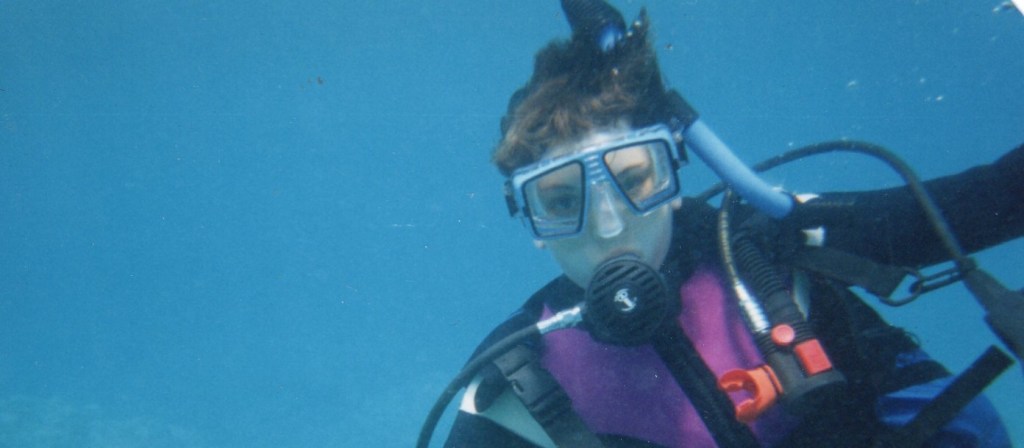
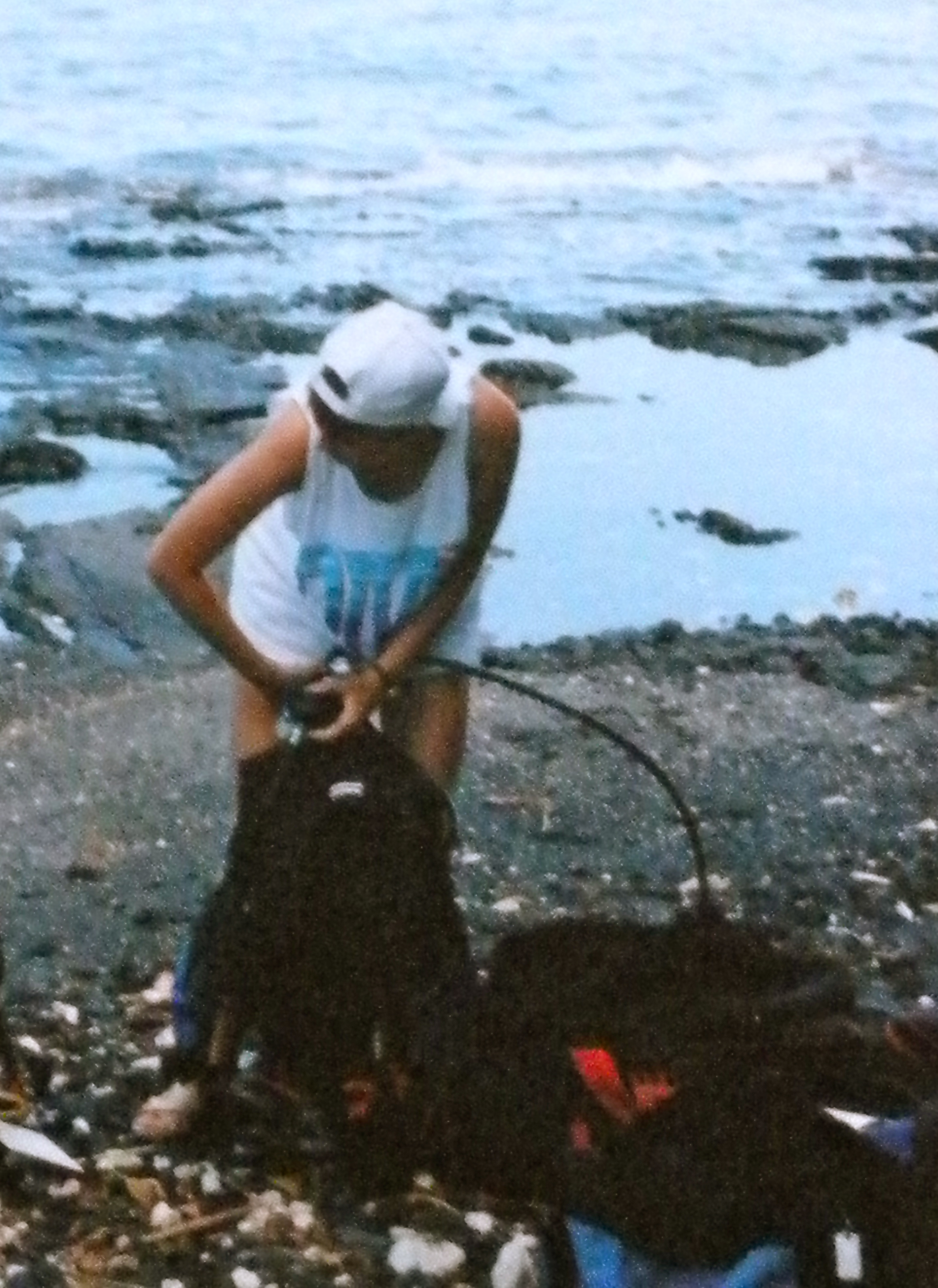
When I was at University of Hawai’i, spending my weekends diving and sleeping on beaches, my dive buddies and I used to scoff at the tourists who’d paid $400 to go on a boat to the same spot where we’d just walked into the water from the beach.

We scoffed at their immaculate, color-coordinated gear, looking in most cases like it had never been used.

And looking at the beat-up bottoms of our own dive fins, we agreed that it was very cool to have well-used gear.
It meant that we got to do a lot of diving.
It meant that we were serious.
My university classes’ labs involved diving and surveying the Puako reef, so I was diving for “work” as well as for weekend-play in those summers. My scuffed-up dive fins were the visible manifestation of what my Dive Log could attest: I did a LOT of diving.
I don’t still have the set of fins I used in college—the buckles finally gave out on those, and I had to buy new. And I felt almost embarrassed, wearing those pristine new fins the first time!
Hawai’i’s volcanic shoreline quickly took care of that, so they are properly scuffed up again. Not beat to hell like the originals, but at least respectably well-used.
And I just packed them…


Join the Conversation!